Blood and Bodily Fluid Cleanup in St. Petersburg, FL
Blood carries hepatitis B, hepatitis C and HIV, and household cleaners do not neutralize them. One call connects you with a crew certified for bloodborne pathogen decontamination and permitted to remove the waste legally.
We are a free referral line. Work is performed by independent certified crews.
Why Household Cleaning Is the Wrong Tool
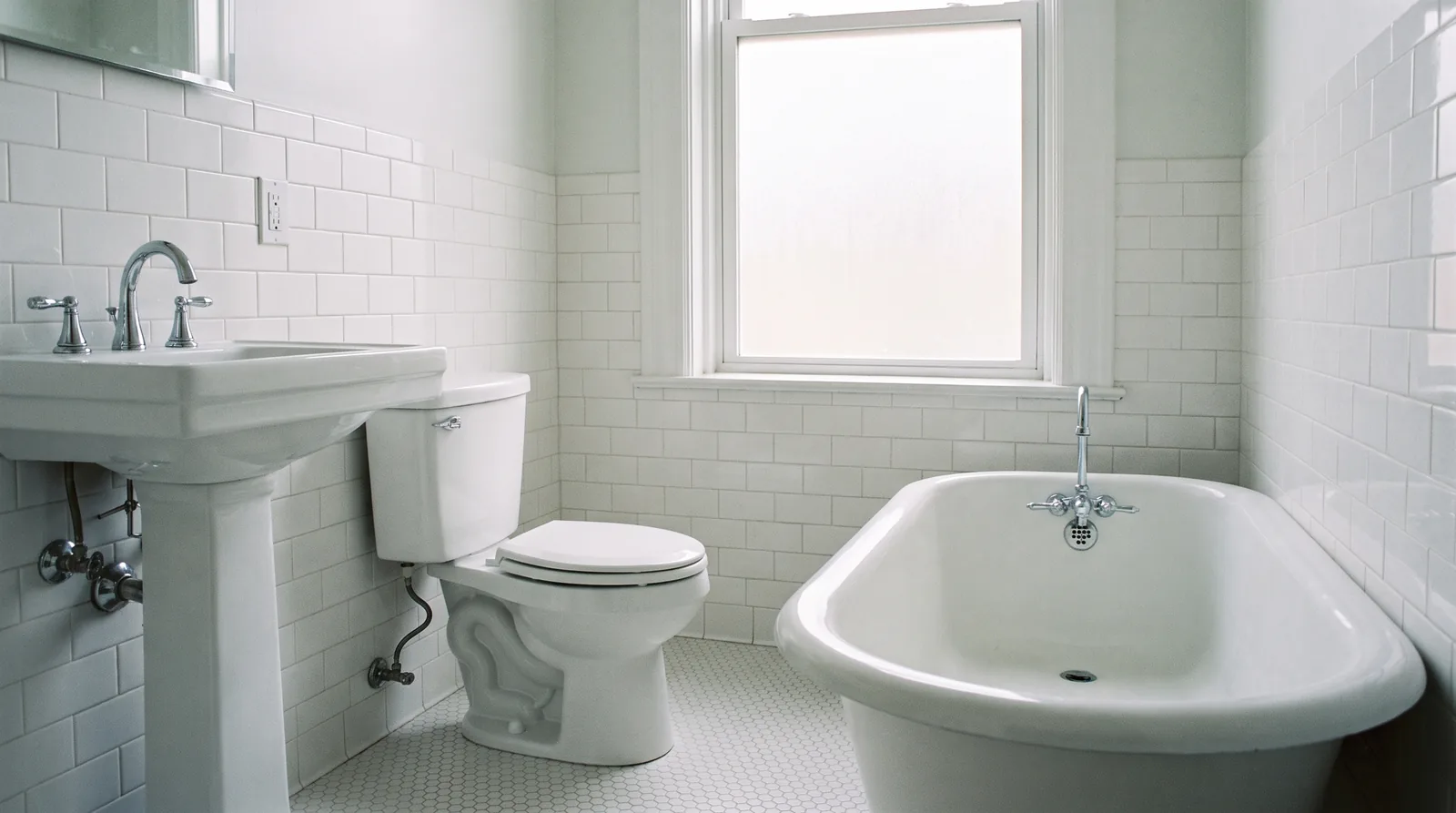
Three reasons, and they compound. Common cleaners are not rated for bloodborne pathogens, so the surface looks clean and is not. Blood penetrates grout, carpet backing, subfloor and upholstery far beyond the visible stain. And contaminated material is regulated biomedical waste in Florida, which means it cannot go in your household trash regardless of how it is bagged.
Situations These Crews Handle
Medical events at home
Falls, hemorrhages and other medical emergencies, including after paramedics have left. Emergency responders stabilize the patient, they do not decontaminate the room.
Accidents and injuries
Household accidents, workplace injuries and industrial incidents where blood or other potentially infectious material contaminated the area.
Commercial and public spaces
Retail premises, offices, vehicles and public areas where an incident occurred and the space has to be returned to use quickly and safely.
Needles and sharps
Discovery of discarded sharps on a property, which requires certified handling and a permitted disposal route rather than a bag and a bin.
What OSHA Compliance Means Here
The OSHA bloodborne pathogens standard governs occupational exposure to blood and other potentially infectious materials. For a remediation crew it means documented training, specified personal protective equipment, an exposure control plan and a compliant waste stream.
For you as a property owner it matters for a practical reason. If you direct an employee, a tenant or a contractor to clean up blood without that framework in place, you have taken on a liability that a certified crew would have carried instead.
How the Work Is Done
Every certified crew on this line follows the same sequence. It is not cleaning, it is remediation, and the order matters.
Step 1
Assessment
A technician walks the property, identifies every contaminated surface including what is not visible, and writes a scope. This is free and it is also what your insurance carrier will want to see.
Step 2
Containment
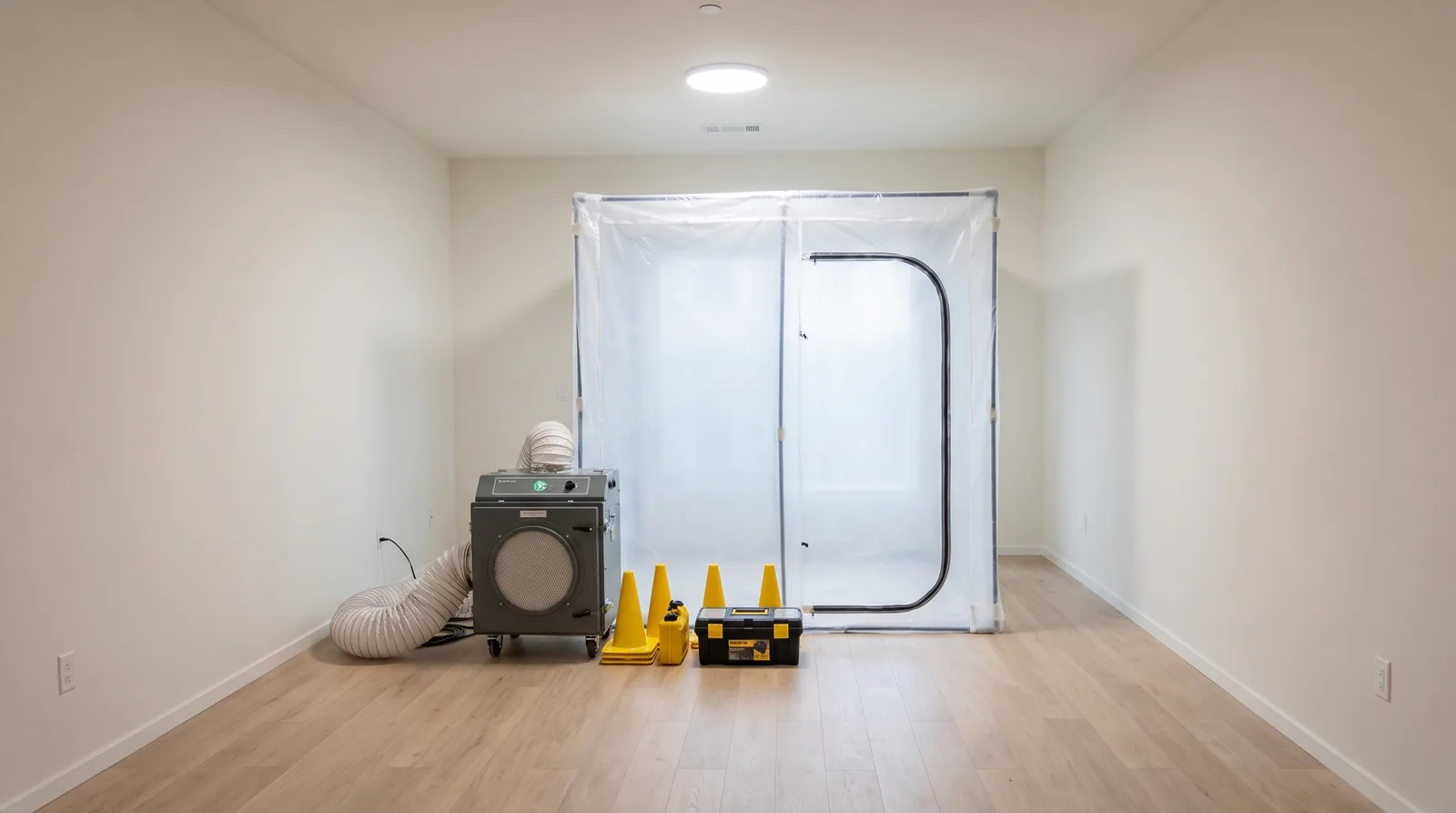
The affected area is sealed off and put under negative air pressure so contamination and odor cannot migrate into the rest of the property or the HVAC system.
Step 3
Removal
Porous material that cannot be decontaminated comes out. Carpet, pad, and often subfloor and lower drywall. It is bagged as regulated waste on site.
Step 4
Decontamination
Remaining surfaces are treated with hospital grade disinfectants rated for bloodborne pathogens, then cleaned again rather than simply wiped.
Step 5
Odor treatment
Vapor phase treatment or hydroxyl generation reaches what surface cleaning cannot, including wall cavities and ductwork.
Step 6
Verification and disposal
Surfaces are tested to confirm decontamination, waste leaves under a Florida biomedical waste manifest, and you receive documentation for the file.
Common questions
Is a small amount of blood really a biohazard?
It can be. Volume matters less than what is in it, and you cannot know that by looking. For a small surface spill on a non porous surface with known, healthy origin, careful cleaning with proper protection is reasonable. Beyond that, call a crew.
How fast should this be handled?
Quickly. Blood penetrates porous material steadily and in Florida humidity it also becomes a microbial growth problem within a day or two.
Can blood be removed from carpet?
Rarely to a standard that is actually safe. Blood passes through carpet into the pad and often the subfloor. Removal and replacement is the usual answer.
Do you handle vehicles?
Yes. See vehicle biohazard cleanup for how those jobs work.
What happens to the waste?
It is bagged on site as regulated biomedical waste, transported by a permitted carrier and destroyed. You receive the manifest for your records.
Questions People Ask Before They Call
Available Across Pinellas County
- Clearwater
- Largo
- Pinellas Park
- Dunedin
- Seminole
- Gulfport
- St. Pete Beach
- Tarpon Springs
- Safety Harbor
- Palm Harbor
Other Services on This Line
Crime Scene Cleanup
Decontamination after a homicide, assault or other police investigated scene, once the scene is released.
Read moreUnattended Death Cleanup
Full remediation when a death went undiscovered, including subfloor removal and odor elimination.
Read moreSuicide Cleanup
Discreet, respectful decontamination handled by technicians trained for these scenes.
Read moreHoarding Cleanup
Sorting, removal and sanitation of severely cluttered homes, worked at the resident's pace.
Read moreTalk to a dispatcher now
One call connects you with a certified remediation crew working in Pinellas County. The line is answered any hour, there is no form to fill in, and the call costs you nothing.
Call (727) 591-9468